

Environmental Responsibility


The Carbon Neutral Seal aims, after calculating the Greenhouse Gas (GHG) or CO2-equivalent emissions released into the atmosphere as a result of human activities, to convert that data into the number of trees that must be planted to offset the effects of those emissions.
Exal offsets the activities of its operations within client companies, taking into account:
- Organic waste sent to sanitary landfills;
- Electricity consumption;
- LPG gas consumption and electricity consumption.

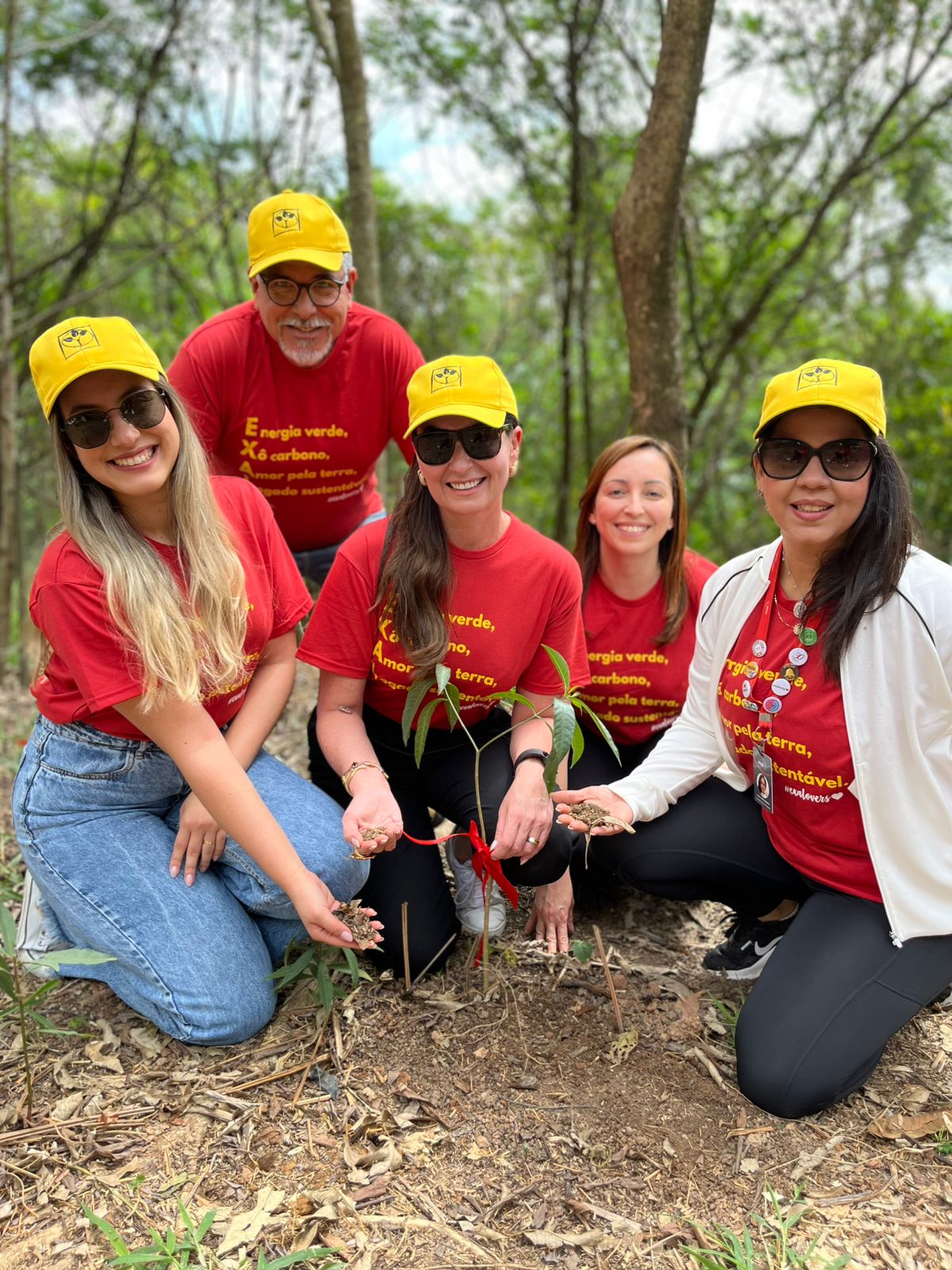
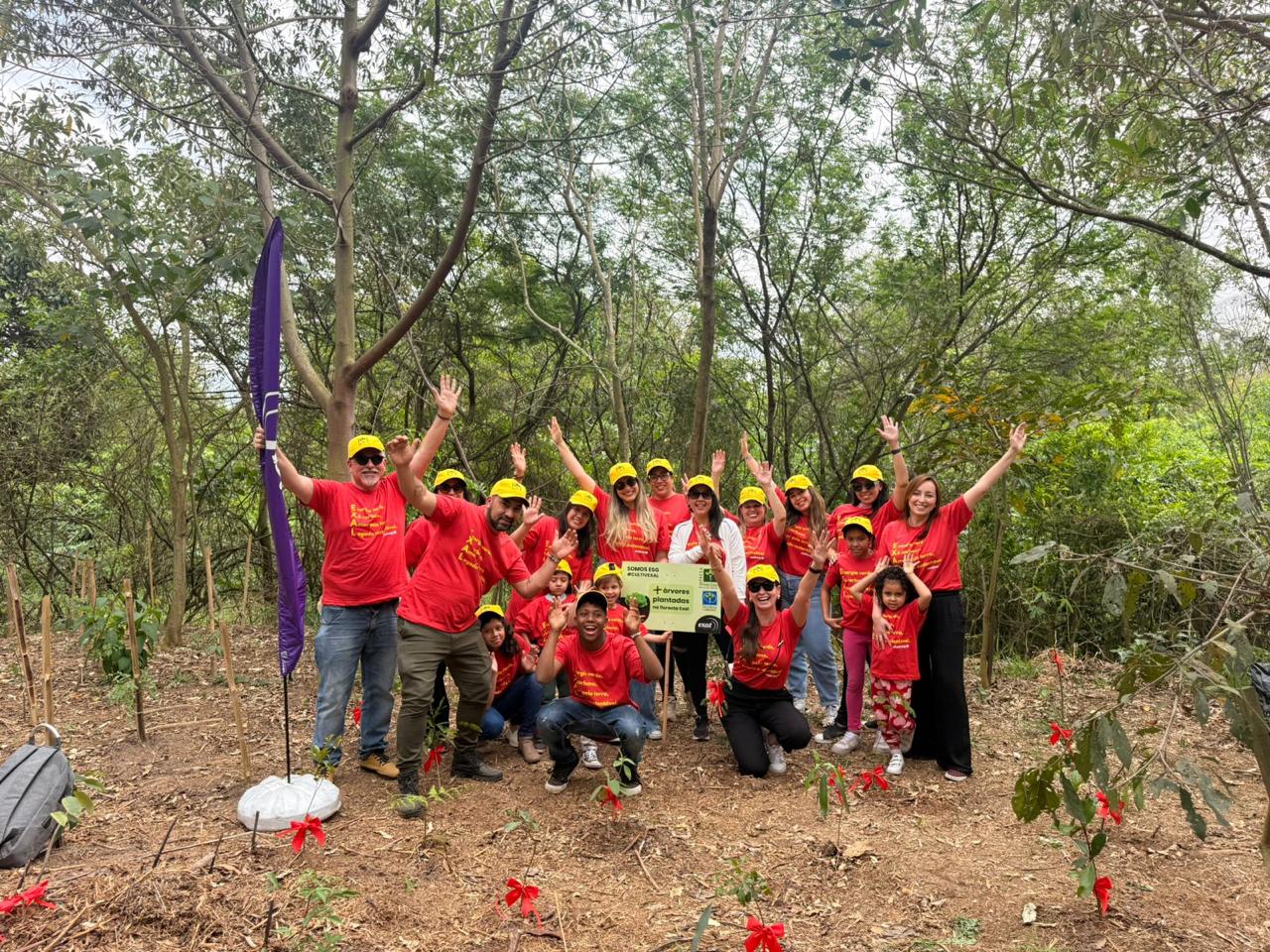
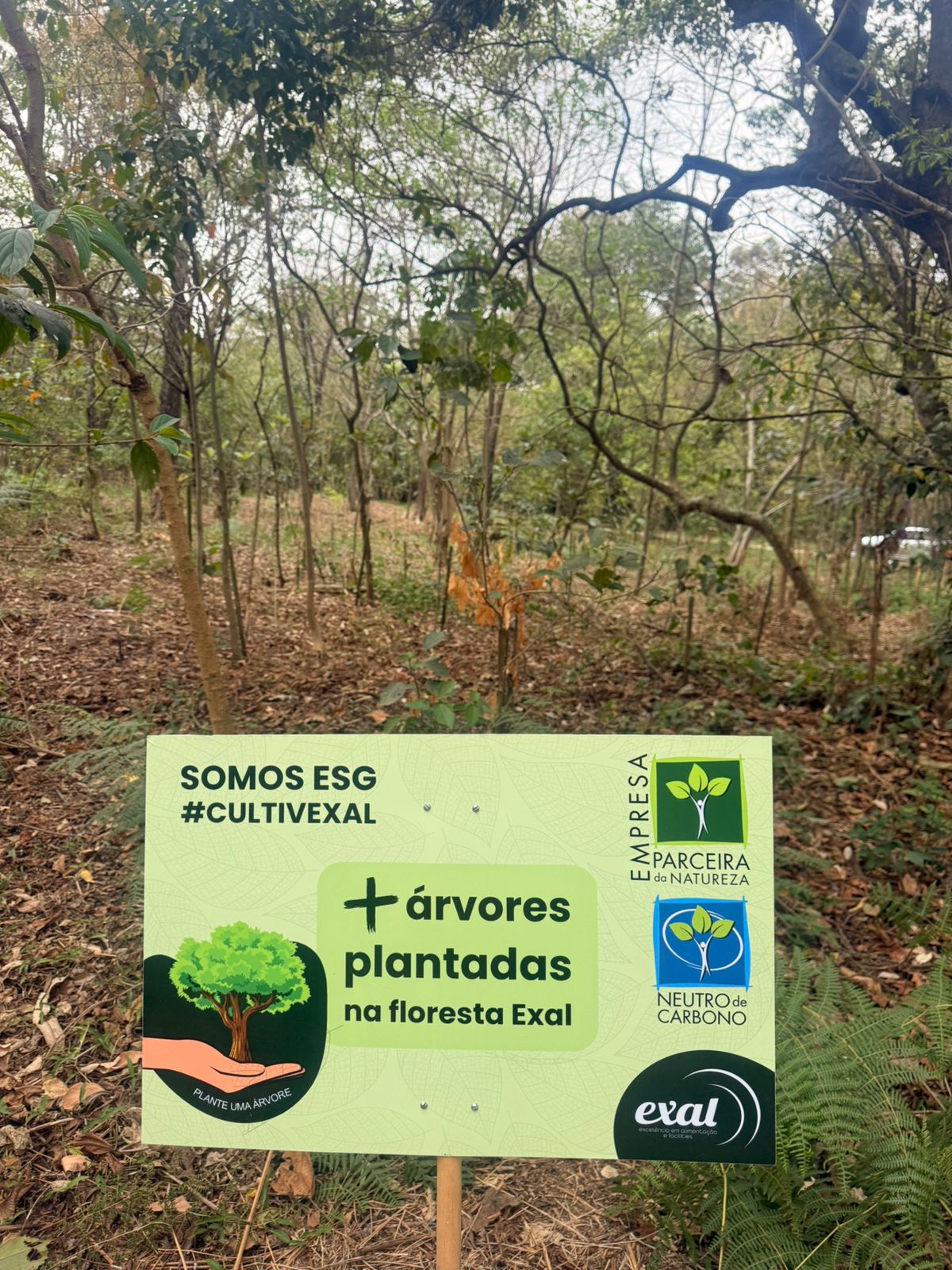

We received the Green Seal as a Nature Partner Company from IBDN, an environmental certification aimed at recognizing companies committed to the Environment, Sustainability and Environmental Education, as well as helping to introduce or expand sustainability concepts, seeking to reduce environmental impacts while also saving resources.
We are responsible and aware of our role in preserving nature and reducing the environmental impact of our activities.
SDGs – Sustainable Development Goals
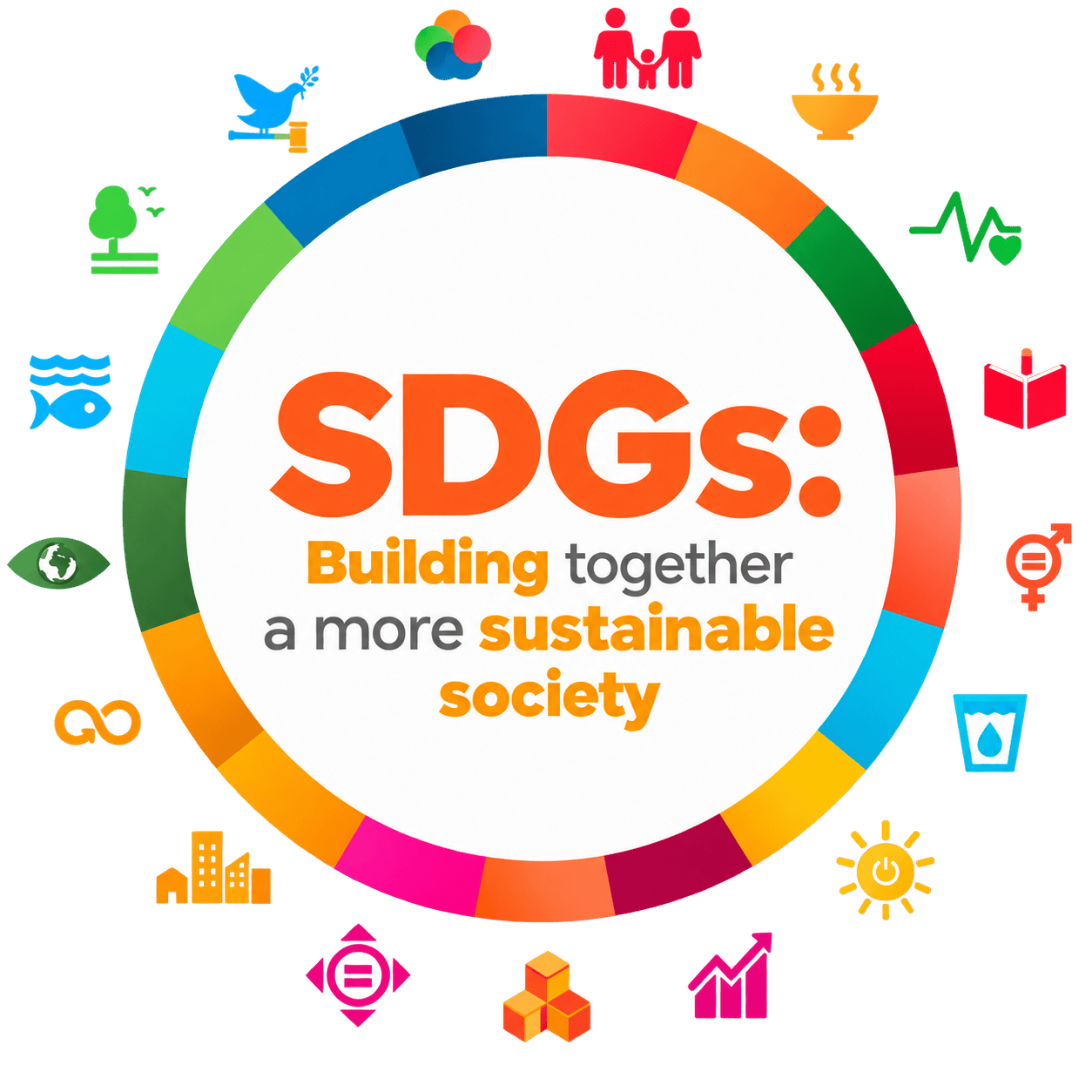
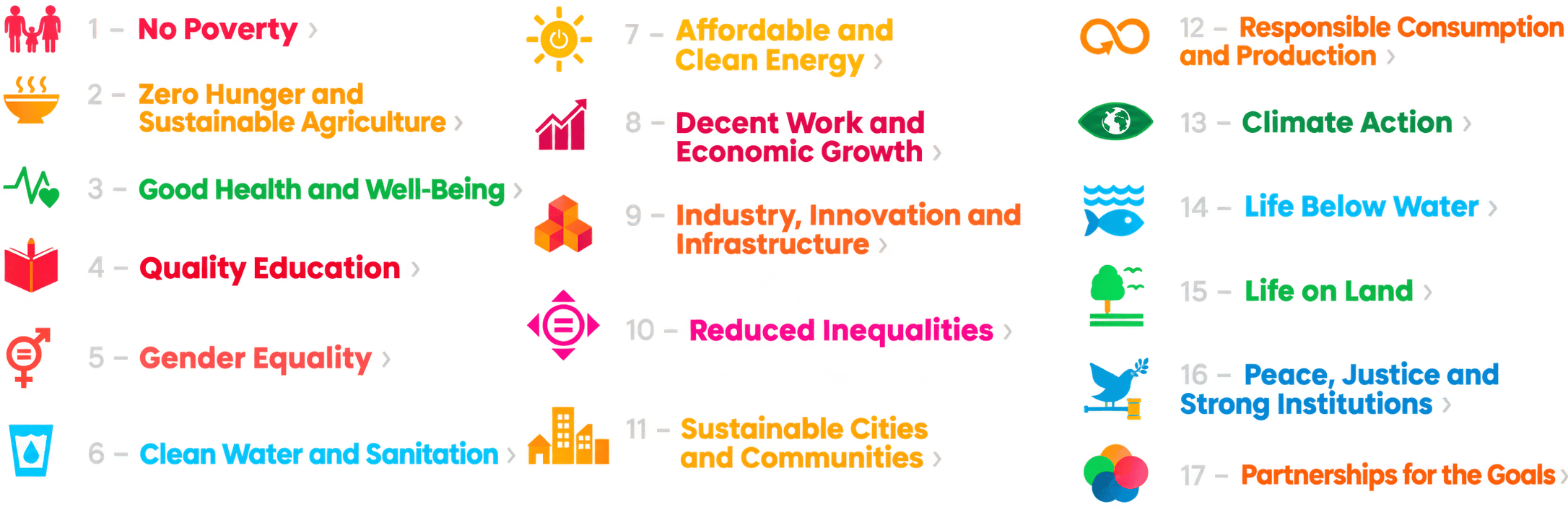
SDG stands for Sustainable Development Goals, a set of measures established by the UN (United Nations) to promote peace, sustainability, poverty eradication and prosperity.
Of the 17 goals, we currently voluntarily pursue 12, which serve as a benchmark for institutions worldwide in building a more sustainable, equitable, safe and harmonious society for all.
These are small actions that will make a big difference to our future, and we will always strive to achieve these goals, for the planet, our team, our customers and everyone around us.
We highlight the goals we uphold here at Exal.


Together with Mercy For Animals, our purpose is to build a food system that is healthy, sustainable and kind to animals.
Benefits of PLANT-BASED Cooking

Inclusion of consumers of all profiles

Better use of food

Greater food diversity

More convenience in the kitchen

Contribution to the environment

Greater perception of healthfulness

Alignment with global goals for health, well-being and sustainable production systems
Sustainable Kitchen
Adopting sustainable practices in a kitchen brings economic, environmental and social advantages. In addition to benefiting the planet, it generates savings!
These practices reduce costs for water, energy and raw materials, and result in higher productivity.

Use of glass cups
Use of Biodegradable Chemical Products
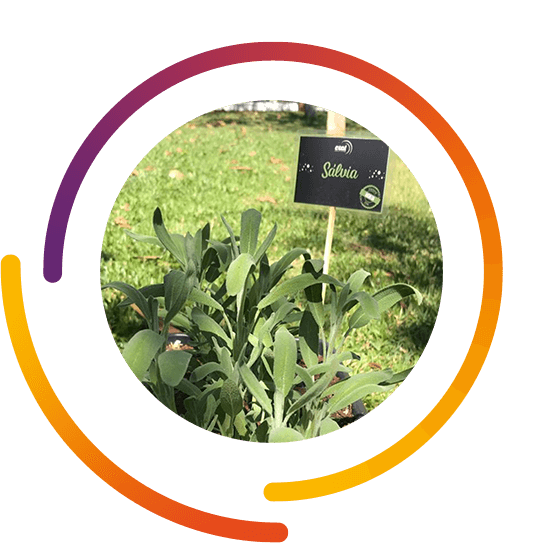
Establishment of a Natural Herb Garden
Green Kitchen Seal

Reduction in the use of natural resources
The Environmental Excellence Certificate is a recognition issued by the Jornal Meio Ambiente of the State of São Paulo, aimed at recognizing, encouraging and certifying companies committed to good social and environmental practices by highlighting examples grounded in sustainability, social justice and respect for life.